Choosing a Great Wedding Venue
Contents
How to Choose, Plan, and Transform Your Big Day
Your wedding venue sets the tone for one of the biggest days of your life. The space you pick becomes the backdrop for your vows, your party, and all those memories you’ll keep forever.
Whether you want a small gathering or a big bash, the right venue can turn your wedding dreams into reality.
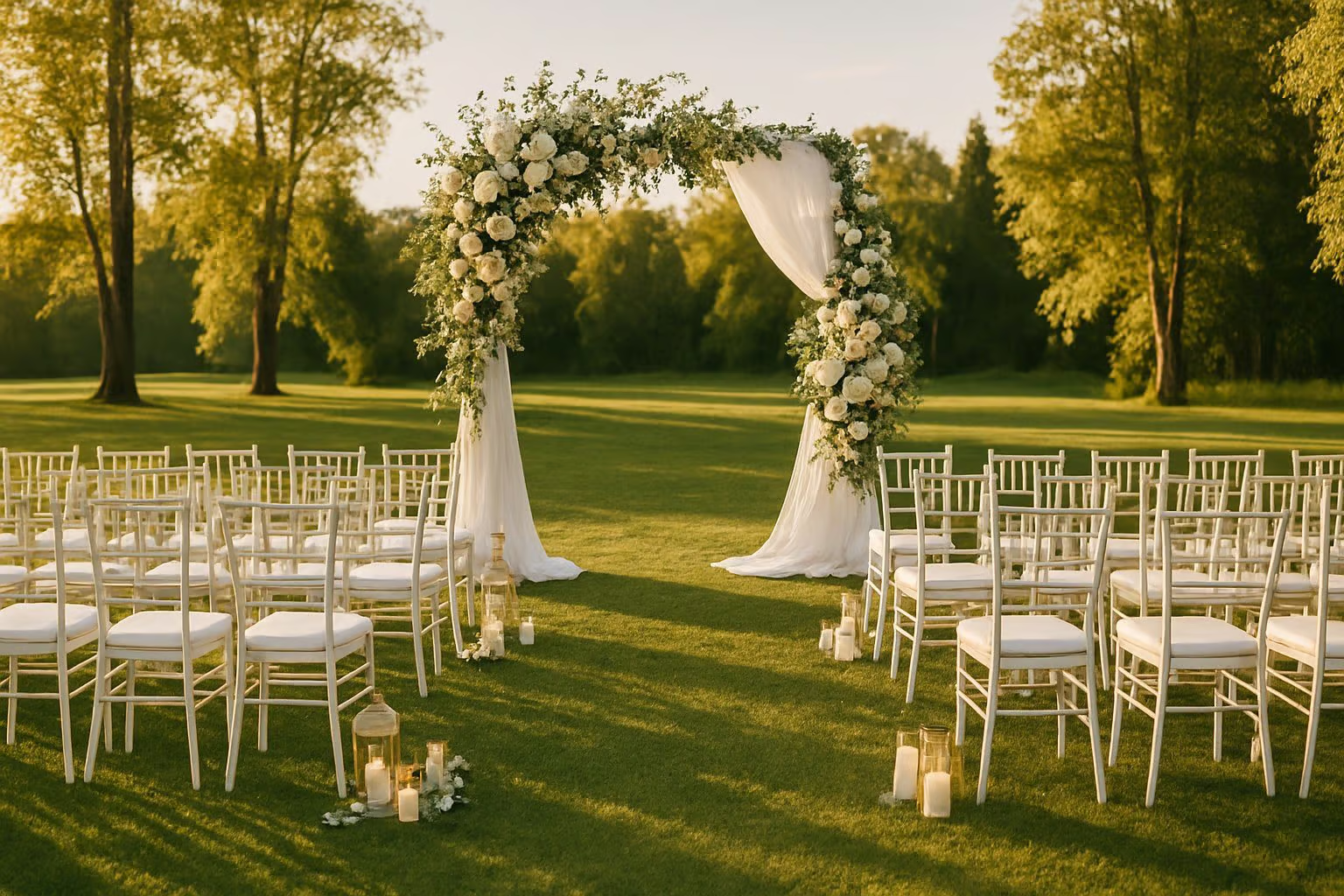
Finding the perfect wedding venue means balancing your vision, budget, and what your guests need. You have to think about location, capacity, and what services the venue offers.
It’s not just about picking a pretty place. Consider your guest list size, the vibe you want, and which amenities matter most to you both.
From rustic barns to elegant ballrooms, the options can feel endless. Knowing the types of venues, what services they include, and what to ask makes the whole thing less stressful.
Types of Wedding Venues
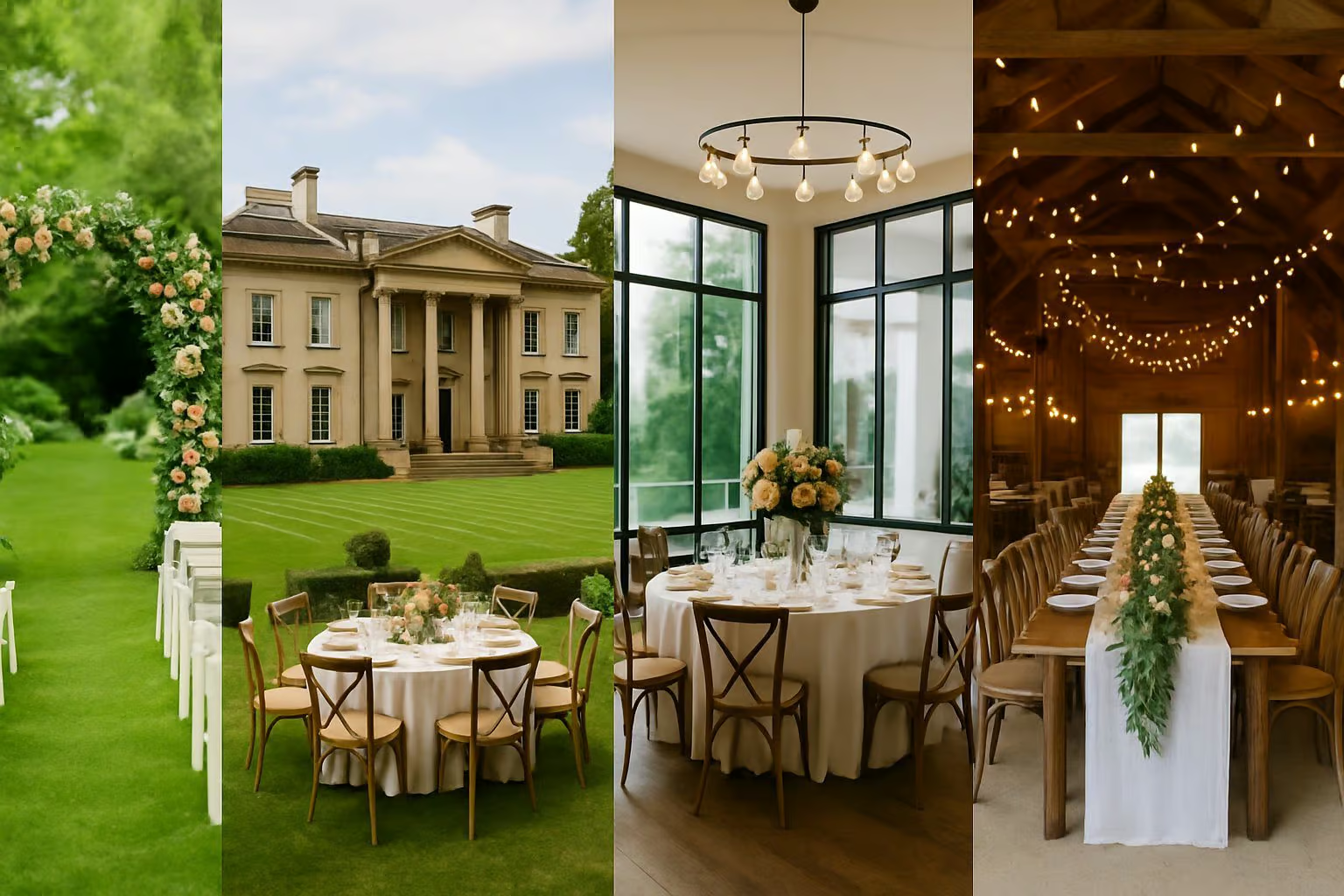
Wedding venues usually fall into four main categories. Each suits different styles and budgets.
Modern loft spaces have an industrial feel, while historic properties offer timeless elegance and lovely grounds.
Loft Wedding Spaces
Loft wedding spaces give off industrial vibes with exposed brick, high ceilings, and big windows. They’re great for couples who want a modern, city-inspired look.
Most lofts have open layouts you can decorate however you want. You can hold both the ceremony and reception in the same spot.
Typical features include:
- Concrete floors and steel beams
- Floor-to-ceiling windows with city views
- Neutral color palettes
- Minimal built-in decorations
Loft and rooftop venues are blank slates, so you get to bring in your own style. Just know you’ll need to handle most decorations yourself.
Parking can be tricky, and some lofts require vendors to use freight elevators. Urban venues sometimes have noise restrictions too.
Historic and Mansion Venues
Historic homes and mansions feature elegant architecture—think crown molding, chandeliers, and hardwood floors. These spaces already have a sophisticated atmosphere, so you don’t need much extra decor.
Historic venues host 12% of wedding celebrations according to recent data. Many offer both indoor ballrooms and outdoor gardens.
Common amenities include:
- Grand staircases for photos
- Multiple rooms for different events
- Established gardens and courtyards
- Built-in bars and catering kitchens
Historic properties often have strict rules about decorations, music, and which vendors you can use. Some ban open flames or ask for special insurance.
Mansion weddings usually cost more, but you get a lot included. The grounds are perfect for wedding photos.
Banquet Halls and Ballrooms
Banquet halls are still the most popular, hosting 20% of wedding receptions. They’re designed for big celebrations—anywhere from 100 to 500 guests.
Most halls offer all-inclusive packages with catering, tables, chairs, linens, and basic lighting. That can make planning less complicated and sometimes cheaper.
Standard features include:
- Dance floors and sound systems
- Commercial kitchens
- Ample parking
- Climate control
- Accessible bathrooms
Banquet halls come in styles from classic to modern, and the neutral decor fits most wedding themes.
The main perk is convenience—everything happens in one spot with staff who know what they’re doing. But you might have less choice about vendors and timing.
Some halls host more than one event a day, so setup and breakdown times can feel rushed.
Unique and Outdoor Settings
Farm weddings, wineries, and park celebrations offer something different from the usual indoor venues. These spots give you beautiful scenery and a memorable experience.
Farm and ranch venues like Homegrown Hideaway’s wedding venue options make up 17% of weddings, popular with couples who love rustic charm. Barns provide shelter, while open fields work for ceremonies.
Popular outdoor options include:
- Winery properties with vineyard views
- Public parks with pavilions
- Restaurant patios and gardens
- Concert venues and amphitheaters
Park weddings need permits and often have rules about alcohol, decorations, and noise. Always have a weather backup plan for outdoor events.
Restaurant weddings are best for smaller groups, usually under 75 people. Concert venues feel unique, but dates can be hard to book.
Winery weddings combine great views with on-site wines. Many offer both outdoor and covered spaces for ceremonies and receptions.
These venues often mean more coordination since you’ll need to bring in your own caterers, rentals, and other vendors.
How to Choose the Perfect Wedding Venue
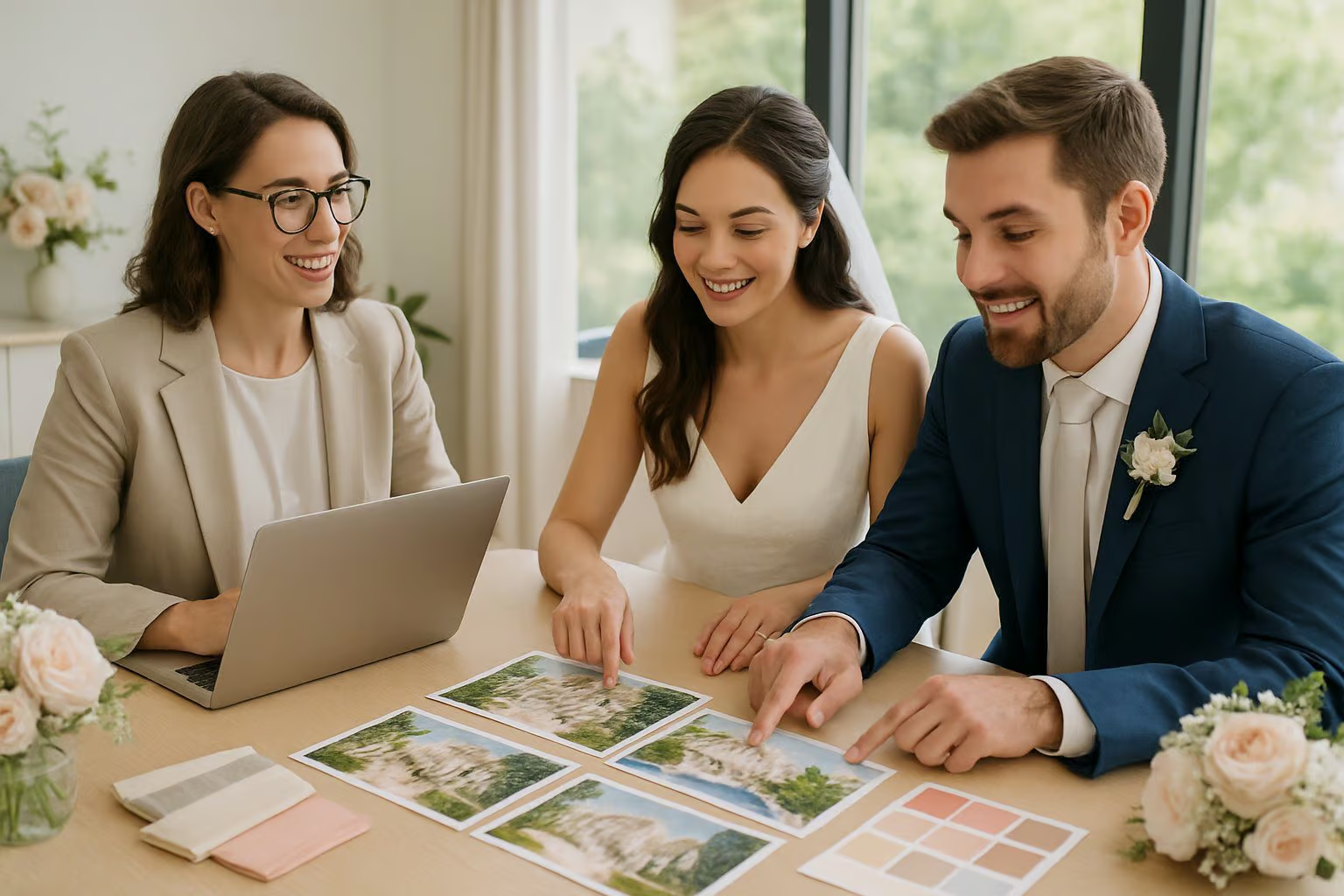
The right wedding venue fits your guest list and budget while matching your style. Where it’s located affects who can come, and the space’s flexibility impacts how comfortable and fun your day feels.
Location and Accessibility
Where your venue is located can make or break guest attendance. Pick somewhere that works for your wedding party and most of your family.
Think about travel time from highways and airports. Toronto venues like Old Mill Toronto, for example, are easy to get to from different directions.
Check if grandparents or guests with mobility challenges can get around easily.
Parking matters more than you’d think. Venues should have enough spaces or at least clear parking instructions. If parking is tight, ask about valet options.
Transportation options for guests:
- Close to hotels and accommodations
- Easy access to public transit
- Ride-share pickup spots
- Not too far from airports if it’s a destination wedding
Weather and road conditions can also play a role, especially in winter. Venues with covered walkways or heated areas are a big plus during colder months.
Venue Capacity and Flexibility
Your guest count decides which venues will actually work. Most places have minimum and maximum limits, and that affects both price and comfort.
Count your confirmed guests before you visit venues. It’s smart to add 10-15% to your list for plus-ones and last-minute RSVPs.
A venue that just barely fits your guest count will feel tight.
Capacity things to think about:
- How many seats for the ceremony
- Space for cocktail hour
- Dining and dancing areas for the reception
- Backup plans for outdoor ceremonies
You want flexibility to make the space your own. Cambridge Mill and Hazelton Manor, for example, have multiple rooms you can use for different group sizes.
Some venues, like Whistle Bear Golf Club, offer both indoor and outdoor spaces. That way, you’ve got options if the weather doesn’t cooperate.
Style and Atmosphere
Your venue sets the mood and look for your wedding. It’s easier to pick a space that fits your style than to try and change it completely.
Historic venues like Ancaster Mill have built-in charm with brick walls and vintage touches. Modern spots give you clean lines and a blank canvas for decorating.
Popular venue styles:
- Rustic barns and farm settings like Earth to Table: The Farm
- Classic ballrooms with chandeliers
- Garden venues with lots of greenery
- Industrial, urban spaces
- Waterfront spots with beautiful views
Natural light can make your photos pop and change the whole vibe. Visit venues around the same time of day as your wedding.
Evening receptions need good artificial lighting for dinner and dancing.
Think about your decor budget too. Some venues need hardly any extra touches, while others might need a lot to get the look you want.
Budget Considerations
Wedding venues usually take up 40-50% of your total wedding budget. Costs include rental fees, catering, service charges, and extras.
Ask for a detailed price list from each venue. Watch for hidden fees—setup, cleanup, overtime, or even letting your vendors in early.
Common venue expenses:
- Base rental fee
- Catering per-person costs
- Service and gratuity charges
- Bar packages and beverage minimums
- Extra equipment rentals
- Vendor access fees
Busy seasons mean higher prices and less availability. Saturday nights in spring and summer are the most expensive. Fridays or Sundays can be more affordable.
All-inclusive packages sometimes save you money compared to paying for everything separately. Look at total costs instead of just the base fee.
Most venues ask for a deposit—usually 25-50%—to lock in your date. Always check cancellation policies and refund terms before signing.
Venue Services and Amenities
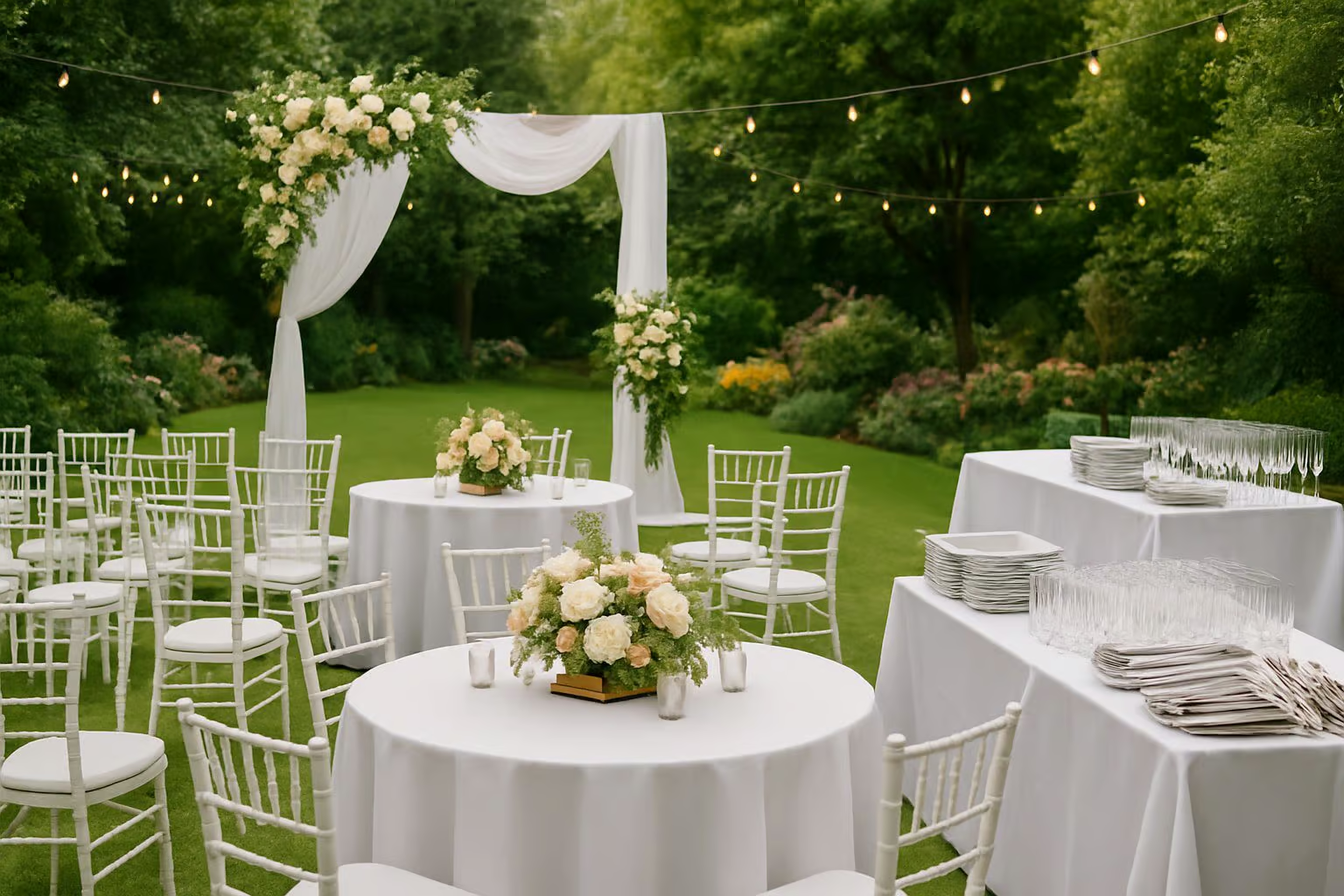
Venues offer different packages, which might include catering, cake, planning help, and guest rooms. These can save time and help your day go smoothly.
In-House Catering and Dining
Many venues have their own catering teams and kitchens. You’ll work directly with the venue chef to plan your menu, rather than hiring an outside caterer.
In-house catering usually covers appetizers, mains, sides, and desserts. Most places let you taste the menu before the big day.
The venue’s catering team handles food prep, serving, and cleanup. Packages often include tables, chairs, linens, plates, glasses, and silverware.
Some venues require you to use their caterer, while others let you bring in your own. Ask about minimum guest counts for catering packages.
Staff like servers and bartenders usually come with catering. The venue coordinator works with the kitchen to keep everything on schedule.
Custom Wedding Cakes
Some venues have pastry chefs who make custom wedding cakes right there. That saves you from hunting for a separate baker and worrying about delivery.
Venue cake services usually include a design consult to talk flavors, decorations, and how big the cake should be. Vanilla, chocolate, red velvet, and lemon are crowd-pleasers.
Many venues can do multi-tier cakes that match your theme. They’ll also handle cake cutting and provide plates and forks for guests.
Some venues throw in a free anniversary cake for your first year.
If your venue doesn’t offer cakes, they’ll usually let an outside baker deliver one. Just ask about any fees or restrictions.
Event Coordination and Planning Support
Most venues include some event coordination or planning support. This helps keep things running smoothly on your wedding day.
Venue coordinators handle setup and breakdown for tables, chairs, and decor. They coordinate with your other vendors—photographers, musicians, florists—to keep things on track.
On the day, your coordinator manages the ceremony lineup, reception timing, and vendor arrivals. They’re your go-to so you can actually enjoy yourself.
Some venues offer full planning services, not just day-of help. These might include vendor recommendations, timeline planning, and extra meetings before the wedding.
On-Site Accommodations
Hotel venues often give special room rates for guests and a free suite for the couple. That makes things easier for out-of-town friends and family.
Wedding room blocks offer discounts when you reserve a certain number of rooms. Hotels usually hold these for about 30 days before releasing them.
Some venues include a bridal suite for your wedding night. Getting ready on-site is convenient for the whole wedding party.
Many hotel venues have spacious halls and modern amenities for big guest lists.
Hotels with wedding spaces often run shuttles between different parts of the property. That makes it easy for guests to move between the ceremony, reception, and their rooms.
Creating Your Dream Wedding Experience
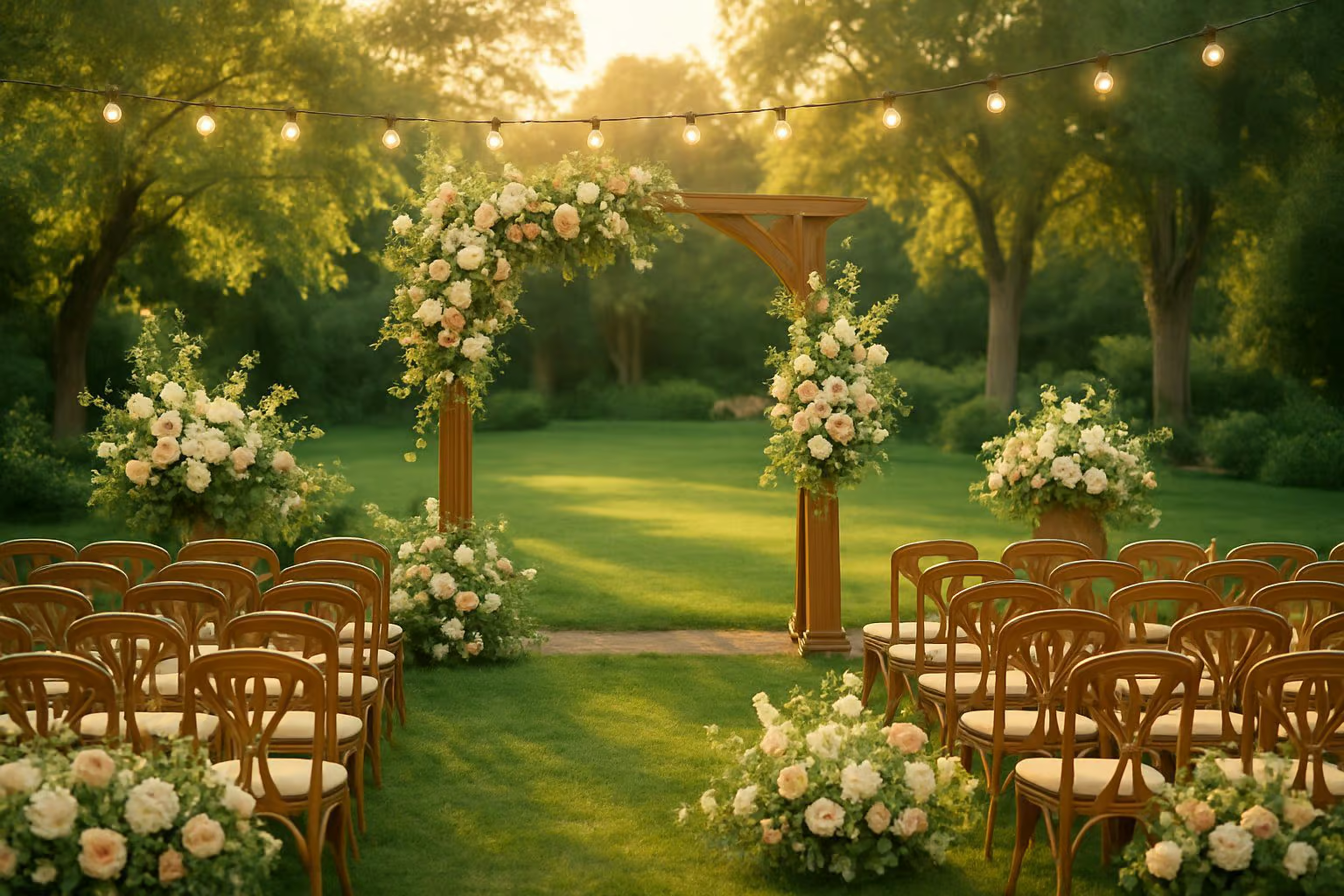
The right venue can turn your wedding into a celebration that really feels like you. Personal touches, thoughtful decor, and smart planning for photos all add up to memories you’ll actually want to look back on.
Personalizing Your Ceremony and Reception
Your wedding feels extra special when you add details that reflect your story as a couple. Try displaying childhood photos, family heirlooms, or even something from your first date to spark conversations around your venue.
Ceremony Personalization Options:
- Write custom vows that capture your relationship journey.
- Include unity rituals using meaningful objects or family traditions.
- Choose music from your dating years or songs tied to your cultures.
- Invite guests to participate with ring warming or wish cards.
Reception personalization can go way beyond the basics. Maybe create signature cocktails inspired by your pets or favorite trips. Use table numbers paired with photos from different stages of your relationship.
Interactive guest experiences really make a celebration pop. Set up a photo booth with props that highlight your hobbies. Put together a memory lane timeline along the walls, showing off your milestones as a couple.
Food is another great way to add a personal touch. You could serve dishes from your first dinner together or family recipes that mean a lot to you. Lots of couples look for venues that offer flexible catering options so they can include these special dishes.
Décor and Ambience Enhancements
Thoughtful décor can turn any venue into a space that feels like you. Start with a color palette that works with your venue’s features, not against them.
Lighting changes everything. String lights bring warmth to rustic barns, while uplighting can totally shift the mood in a ballroom. Candles add a soft, romantic vibe—especially for evening weddings.
Essential Décor Elements:
- Centerpieces that fit your theme and budget
- Linens that work with your colors
- Floral arrangements using whatever’s in season
- Signage that helps guests and adds personality
Mixing textures adds a lot of visual interest. Try pairing smooth silk with rough burlap for rustic themes, or metallic accents with soft fabrics for something more elegant.
Think about your venue’s architecture when planning décor. Show off beautiful stone walls or wooden beams instead of hiding them. Let the venue’s natural beauty set the tone.
If you’re watching your budget, DIY projects, family heirlooms, and repurposing ceremony décor for the reception can help a lot.
Photography Locations and Opportunities
Your venue choice shapes your wedding photos and the story they tell. Walk through your venue at different times of day to see how the light changes.
Natural light makes everyone look their best. Look for venues with big windows, outdoor spots, or covered porches that offer soft, even light.
Prime Photography Locations:
- Ceremony backdrops with cool architectural details
- Cocktail areas with plenty of natural light
- Reception spaces that really show off your décor
- Private corners for those intimate couple portraits
Seasons matter, too. Spring and fall offer totally different outdoor photo ops, while indoor venues give you steady lighting no matter what the weather’s doing.
Talk with your photographer about what’s unique at your venue. Historic buildings bring vintage details, while modern spaces keep things clean and simple.
The perfect wedding venue setting gives you lots of photo spots to capture every part of your day. If you can, plan for golden hour portraits and candid shots during the reception.
Top Wedding Venues in Toronto and Beyond
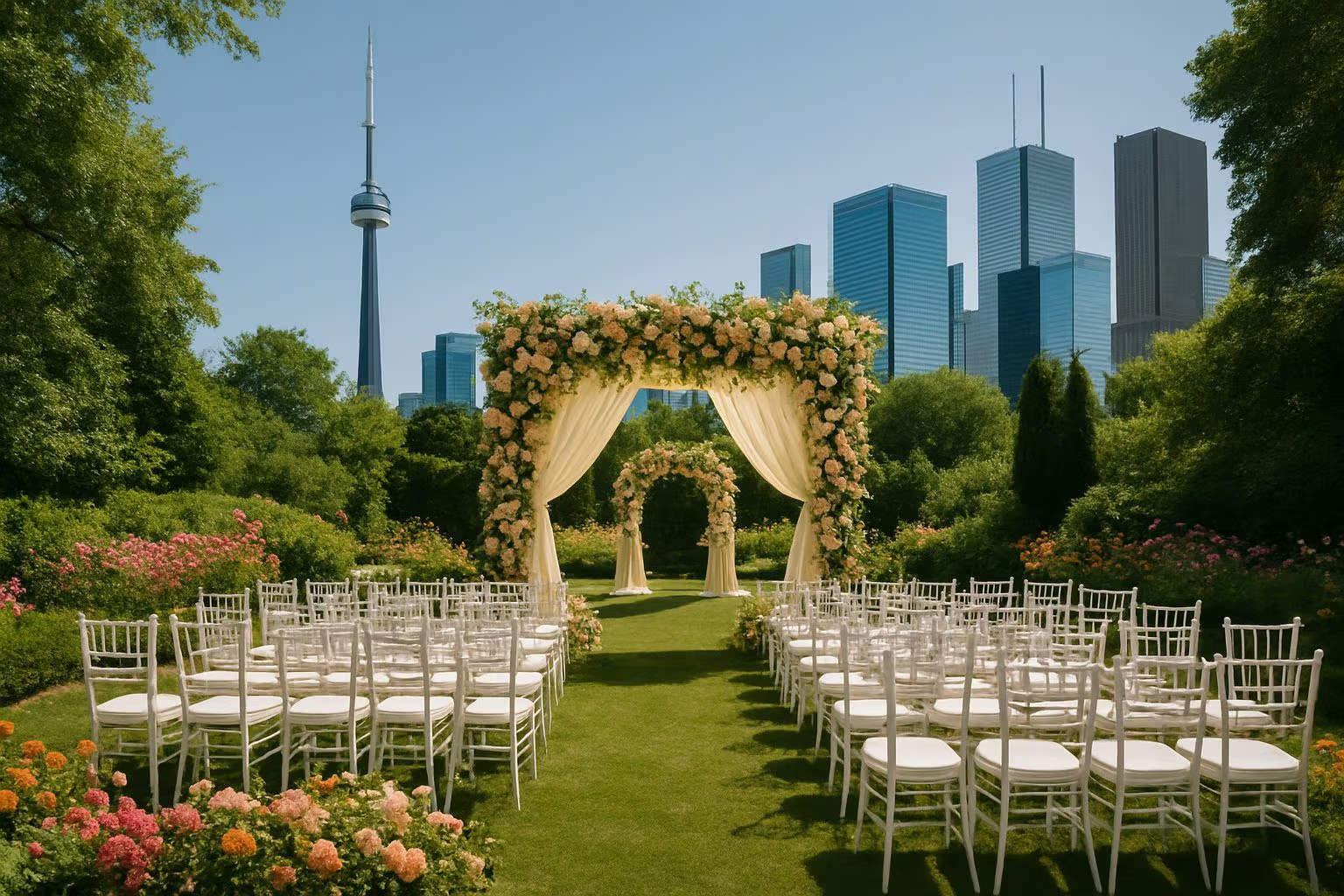
Toronto’s wedding venue options are pretty amazing. You’ll find everything from castles and historic estates to modern art galleries and countryside properties.
The city has a mix of Gothic Revival mansions, converted mills, and luxury hotels. Whether you have 40 guests or more than 300, there’s a space that fits.
Historic and Iconic Locations
Casa Loma is probably Toronto’s most famous castle venue, complete with Gothic Revival architecture and gorgeous gardens. The Library and Conservatory create a fairy-tale setting for up to 250 guests.
One King West Hotel turns a 1914 banking hall into a stunning wedding space. The Grand Banking Hall has soaring ceilings and marble columns, and fits 250 people for dinner.
Liberty Grand Entertainment Complex brings lakefront elegance inside a 1926 heritage building. You get classic architecture and Lake Ontario views, with spaces for ceremonies and receptions up to 300 guests.
Graydon Hall Manor offers Georgian-style luxury from 1936. The mansion has grand fireplaces, crystal chandeliers, and manicured gardens with stone terraces and fountains for outdoor ceremonies of up to 250.
Cambridge Mill sits in a restored 19th-century grist mill. You get rustic elegance with exposed stone and wooden beams, perfect for intimate or mid-sized celebrations.
Modern and Luxury Venues
The Art Gallery of Ontario stands out with contemporary architecture by Frank Gehry. Its sculptural staircases and huge windows can host anywhere from 50 to 350 guests across several spaces, including Baillie Court.
The Globe & Mail Centre is all about sleek, urban sophistication and panoramic city views. It’s downtown, with clean lines, neutral colors, and tons of natural light.
Shangri-La Hotel Toronto mixes modern luxury with Asian-inspired style right in the heart of the city. The event spaces are sophisticated, with high-end audiovisual systems and custom menus that blend Eastern and Western flavors.
Fairmont Royal York brings more than 80 years of wedding experience. The ballrooms have crystal chandeliers, and the hotel offers everything from cozy rooms to the massive 8,000-square-foot Concert Hall.
Steam Whistle Brewery transforms industrial spaces into something pretty magical. With exposed brick and wooden beams, the downtown venue fits up to 250 guests and has a rustic yet sophisticated feel, plus lots of natural light.
Outdoor and Countryside Escapes
Evergreen Brick Works sits tucked away in Toronto’s Don Valley. You’ll find 22,000 square feet of flexible space surrounded by wetlands and gardens.
The venue fits up to 200 guests. There are options like the Holcim Gallery and some inviting outdoor Pavilions.
Toronto Botanical Garden feels like a hidden oasis, dotted with themed gardens and ever-changing blooms. It offers peaceful natural backdrops and carefully kept landscapes for anything from cozy ceremonies to bigger celebrations.
The Guild Inn Estate blends outdoor ceremony spots with indoor reception areas on historic grounds. As a National Historic Site, it brings over three decades of wedding expertise, plus gardens and elegant indoor rooms for up to 250 guests.
Harding Waterfront Estate sits right on Lake Ontario’s edge, with private beach access and gardens that always seem photo-ready. Here, you get luxury amenities and those classic lake views, whether you want something small or a big waterfront bash.
Whistle Bear Golf Club leans into countryside charm with rolling golf course views. Its spacious event facilities bring together natural beauty and modern touches for couples dreaming of a more pastoral setting.